Mum died on a Tuesday. By Wednesday morning, three different funeral directors had somehow found our phone number. Each offered condolences that sounded rehearsed, then launched into package descriptions. Premium. Standard. Basic. Like we were choosing a mobile phone contract instead of saying goodbye to the woman who’d raised us.
The first quote came back at £4,200. The second at £3,800. The third—after some awkward negotiation that felt grotesque while Mum was barely cold—settled at £3,400 if we skipped the limousines and chose pine instead of oak.


My sister and I sat at Mum’s kitchen table, surrounded by her things, and asked each other the question nobody wants to ask: what would she actually want? Not what tradition demanded. Not what the neighbours might think. What would Mum—practical, unsentimental, allergic to fuss—actually want?
The answer was obvious. She’d be furious we were even considering spending four thousand quid on a box to burn.
We chose direct cremation instead. No funeral service with the body present. No hearse procession. No performance. Just quiet, dignified cremation—then a memorial service six weeks later in the village hall where Mum had taught pottery classes for twenty years. We found NewRest Funerals, who explained everything clearly without pressure, available any time on 0800 111 4971. Cost: £1,295. The money we saved paid for a year of grief counselling and a bench in her favourite park with a plaque that makes visitors smile: “Sit down, you look knackered.”
A year later, here’s what we actually feel: relief. Gratitude. Certainty we made the right choice.
Not guilt. Never guilt—though we were warned that would come.
The Pressure Started Immediately
The moment you tell people someone’s died, everyone becomes a funeral expert. Distant relatives. Mum’s bridge club. The woman from the corner shop who’d exchanged pleasantries with her for thirty years but didn’t actually know her.
They all had opinions about what we should do.
“You need a proper send-off.”
“She deserves a traditional funeral.”
“What will people think if there’s no service?”
The subtext was clear: anything less than the full traditional funeral meant we didn’t love her enough. That we were being cheap. Disrespectful. Modern in all the worst ways.
The funeral directors—most of them—fed this narrative. One actually said: “I’m sure you want to do right by your mother.” The implication being that “doing right” required their £3,800 package.
When we mentioned direct cremation, the temperature in the room dropped. “That’s quite… minimal,” one funeral director said, managing to make minimal sound like neglectful. Another asked if we were “sure we wanted to deny family and friends the chance to say goodbye properly.”
We weren’t denying anyone anything. We were planning a memorial service—just not with Mum’s body on display in an expensive box while someone who’d never met her read generic platitudes in a crematorium chapel.
But the pressure was real. For a few days, we wavered. Maybe we were being selfish. Maybe we should just do the traditional thing. It’s only money. She’s worth it.
Then my sister found Mum’s handwritten notes from two years earlier—a list titled “When I’m dead (eventually, no rush).” Right at the top: “Don’t waste money on fancy funerals. I’ll be dead. I won’t care. Spend it on something useful or at least fun.”
That settled it.
What Actually Happened: The Direct Cremation Process
We called NewRest Funerals on the Thursday—three days after Mum died. The person who answered didn’t launch into a sales pitch. They asked how we were coping. Whether we had questions. What we needed.
We explained we wanted direct cremation. They explained exactly what that meant—no ceremony, no attendance, quiet cremation at a local crematorium during an unattended slot. Ashes returned within two weeks. Cost: £1,295, everything included.
No upselling. No suggestions we might want to upgrade the coffin or add a hearse procession “so she doesn’t feel alone.” Just straightforward information.
They collected Mum that afternoon from the hospital. We didn’t see her again—a decision some people found shocking but which felt right to us. Our last memory of Mum alive was her laughing at something stupid on television. Why replace that with a sanitised corpse in a chapel of rest?
The paperwork was surprisingly simple. Death certificate. Doctor’s certificates. Cremation authorization. NewRest handled most of it. We signed forms, answered questions about Mum’s medical history, confirmed details.
Then… nothing. Not in a bad way. Just—we didn’t have to do anything else. No flowers to order. No order of service to design. No wake venue to book. No counting attendees for the catering.
We grieved instead. Which is what we actually needed to do.
Ten days later, NewRest called. Mum had been cremated that morning. Her ashes would be ready for collection or delivery within 48 hours. Did we want them in a simple scatter tube or a basic urn?
Scatter tube, we said. Mum had always talked about wanting her ashes scattered in the Peak District where she’d hiked as a girl.
Two days later, a modest package arrived. Inside was a biodegradable tube containing Mum’s ashes, along with the cremation certificate. That was it. Simple. Dignified. Done.
The whole thing cost £1,295. No hidden fees. No surprise additions. Just what they’d quoted.
Planning the Memorial: What Mum Would Have Actually Wanted
With the practical disposal handled, we could focus on a proper memorial—one that actually reflected Mum’s life instead of following a generic funeral script.
We booked the village hall for six weeks later. That gave us time to plan properly, to think clearly, to involve people meaningfully instead of rushing through arrangements while in shock.
We asked Mum’s pottery students to each bring a piece she’d helped them make. We displayed them on tables—decades of wonky bowls, lopsided mugs, ambitious vases. Her creative legacy, tangible and imperfect and loved.
We created a playlist of music she’d actually liked—not “Abide With Me” and “The Lord’s My Shepherd” but Fleetwood Mac, David Bowie, oddly enough some Metallica from her brief midlife crisis phase. We put up photos spanning seventy-three years—not just the formal portraits but the chaotic, funny, real moments.
We invited everyone who’d mattered to Mum. Not just family but her hiking group, her book club, former students, neighbours, the pharmacist who’d chatted with her weekly for a decade. About eighty people came—more than would have fit in a crematorium chapel.
There was no officiant reading from a script. My sister and I spoke about Mum. Then we opened it up—anyone who wanted to share a memory could. For ninety minutes, people told stories. Some made everyone laugh. Some made everyone cry. All of them felt true.
Afterwards, we scattered most of Mum’s ashes in the Peak District—her hiking group came with us, turned it into a proper walk, the kind she’d loved. We kept some back for her sister in Australia, who scattered them on a beach where they’d played as children.
The whole memorial—hall rental, catering, printing photos, sound system—cost about £600. Adding that to the £1,295 cremation meant we’d spent £1,895 total.
Compare that to the £3,400-£4,200 the traditional funeral would have cost. We saved at least £1,500. Probably more like £2,500 when you factor in flowers, order of service printing, all the extras that accumulate.
What We Were Told Would Happen (But Didn’t)
The funeral industry and its defenders warned us. So did several relatives who thought we were making a terrible mistake. Here’s what they said would happen—and what actually happened.
“You’ll regret not having a proper goodbye.”
We didn’t. The memorial service six weeks later was a proper goodbye—more meaningful than any crematorium ceremony could have been. We said goodbye in a place Mum loved, surrounded by people she’d cared about, celebrating her actual life.
“You’ll feel guilty for choosing the cheap option.”
We don’t. We feel proud we honoured what Mum actually wanted instead of following expensive traditions she’d have hated. The guilt would have come from wasting thousands on theatre she’d have found absurd.
“Family members will be upset they couldn’t attend the funeral.”
They attended the memorial. Every single person who wanted to say goodbye had the opportunity—in a setting with no time limit, no rigid structure, no pressure. Several relatives said it was the best memorial service they’d attended because it felt genuine.
“You’ll feel like you didn’t honour her properly.”
The bench in the park honours her. The pottery pieces her students still use honour her. The hiking trip where we scattered her ashes honours her. The traditional funeral—a rushed ceremony with a body in a box—would have been the dishonourable option.
“People will judge you.”
A few did. Mum’s brother made some pointed comments about “taking shortcuts” and “modern disrespect.” Her bridge club had opinions about propriety.
But most people—once they attended the memorial and understood what we’d done—got it. Several asked for details because they were considering the same for themselves. Two of Mum’s friends have since pre-arranged direct cremations.
The judgmental ones? They would have found something to criticize regardless. That’s what they do. We don’t organize funerals for them.
“The direct cremation will feel impersonal and industrial.”
It was handled with complete professionalism and dignity. Mum received the same care as anyone choosing a £4,000 funeral. The only difference was we didn’t pay for theatre beforehand.
The memorial service, meanwhile, was intensely personal—far more so than a generic crematorium ceremony conducted by an officiant reading from a script.
The Money Question: What We Did With the Savings
This feels crass to discuss, but it matters. Funerals are expensive. For many families, that £4,000 is a genuine hardship—money they don’t have, debt they can’t afford.
We weren’t destitute. We could have afforded the traditional funeral. But choosing direct cremation meant we had roughly £2,300 left over after the memorial service.
Here’s what we did with it:
£800 on grief counselling. My sister struggled badly after Mum died. Three months of professional therapy helped enormously. Worth every penny—and we wouldn’t have been able to afford it if we’d spent everything on the funeral.
£600 on the memorial bench. A permanent fixture in the park where Mum walked her dog for fifteen years. People use it daily. The plaque makes them smile. It’s more meaningful than any headstone.
£400 donated to the pottery charity Mum volunteered with. They used it to fund classes for disadvantaged kids—something Mum cared about deeply.
£500 kept in reserve for ongoing costs. Probate fees, house clearance, unexpected expenses. Death is expensive in ways beyond funerals.
Every pound felt better spent than it would have on upgrading from pine to oak or adding limousines to follow an empty road to a crematorium.
The funeral industry would call this disrespectful. We call it honouring Mum’s values—practicality, generosity, spending money on things that matter to the living.
What We’d Tell Other Families Considering This
A year later, with perspective and no regrets, here’s what we learned:
Trust what the deceased actually wanted. If they were practical people who hated fuss, honour that. Don’t override their values with expensive traditions they’d have rejected. If you’re unsure, ask yourself: what would genuinely make them happy versus what makes you look good to others?
Ignore the guilt merchants. People will tell you that anything less than a traditional funeral means you didn’t care enough. They’re wrong. Often they’re projecting their own assumptions about death, or they’re financially invested in traditional funerals. Care is measured in how you treat people while alive and how you support each other after loss—not in coffin quality.
Separate disposal from memorial. Direct cremation handles the practical necessity of body disposal quietly and affordably. The memorial—held when you’re ready, where it matters, how you want—handles the emotional work of mourning and remembrance. They don’t need to happen simultaneously.
Use the savings meaningfully. The £2,000-£3,000 you save can fund grief counselling, support a surviving spouse, clear the deceased’s debts, create lasting memorials. All more useful than an expensive coffin nobody sees for more than an hour.
Pre-plan if possible. Mum’s handwritten notes made our decision easy. Without them, we might have caved to family pressure. If you’re reading this and thinking about your own eventual death—write it down. Tell your family. Better yet, pre-arrange direct cremation yourself (NewRest Funerals can help—0800 111 4971). Remove the burden of decision-making from your grieving family.
The memorial matters more than the funeral. Nobody remembers the quality of the coffin or whether there were limousines. They remember whether the memorial felt genuine, whether it honoured the person’s actual life, whether it gave them space to grieve authentically.
You don’t owe anyone a performance. Funerals became theatrical Victorian performances for social reasons that no longer apply. You’re allowed to reject that script. You’re allowed to do what feels right for your family and what honours the person who died.
Grief doesn’t follow a schedule. Traditional funerals force you to grieve on a timetable—seven days after death, everything must be organized, ceremony performed, then supposedly you move on. That’s nonsense. Direct cremation removes the time pressure. Grieve at your own pace. Hold the memorial when you’re ready.
The Moment We Knew We’d Made the Right Choice
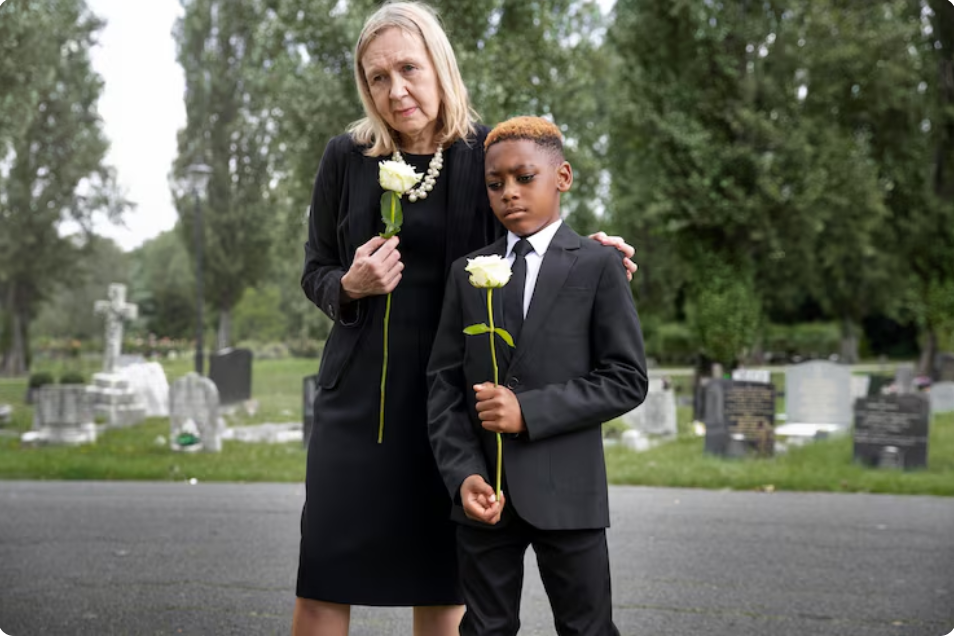
Six weeks after Mum died, we stood in the village hall surrounded by eighty people who’d loved her. The walls were covered with photos. Tables displayed wonky pottery. Fleetwood Mac played in the background.
My sister’s seven-year-old daughter—Mum’s only grandchild—stood up without prompting and announced: “Granny always said funerals were silly because the dead person can’t enjoy them. So we should have a party instead. This is the party.”
Out of the mouths of children.
Someone started the story about Mum accidentally dying her hair green before a wedding. Someone else countered with the time she got lost hiking and ended up having tea with a bemused farmer. The stories built on each other—ninety minutes of laughter and tears and truth.
That’s when we knew. This was what Mum deserved. Not a forty-five-minute ceremony in a crematorium chapel with an officiant who’d never met her reading generic platitudes. But this—her actual community, her actual life, celebrated authentically.
The traditional funeral would have cost twice as much and meant half as much.
We walked out of that village hall with no regrets. None. A year later, still none.
The Questions We Still Get Asked
“But didn’t you want to see her one last time?”
No. Our last memory of Mum is her alive. Why would we want to replace that with seeing a corpse? For some people, viewing the body helps with acceptance. For us, it would have just been traumatic. There’s no right answer—but there’s also no obligation.
“What did you do during the two weeks before you got the ashes?”
We grieved. We dealt with her house, her possessions, notifications to banks and utilities. We supported each other. We started planning the memorial. All the things you need to do anyway—without the added stress of organizing an imminent funeral.
“Did people really not mind there being no traditional funeral?”
Most didn’t mind at all, especially after attending the memorial. A few relatives made snippy comments, but they would have criticized something regardless. You can’t please everyone. Trying to is how you end up with an expensive funeral nobody truly wanted.
“Would you make the same choice for other family members?”
Absolutely. My sister and I have both pre-arranged direct cremations for ourselves. We don’t want our children going into debt or stress for expensive theatre. When Dad eventually goes—he’s got stage four cancer, so we’re facing this again soon—we’ll do exactly the same unless he specifically requests otherwise.
“Do you ever visit Mum’s ‘grave’?”
She doesn’t have one. Her ashes are scattered across the Peak District and an Australian beach. We visit the memorial bench sometimes. Mostly we remember her in the ordinary moments—cooking her recipes, using the pottery pieces she made, hiking the trails she loved. She’s not in a cemetery. She’s everywhere we look.
Frequently Asked Questions
How long after death does direct cremation happen?
Usually 7-14 days, depending on how quickly medical certificates are processed. This is similar to traditional funerals. The difference is you’re not frantically organizing a ceremony during that time—the cremation happens quietly while you focus on grieving and planning a meaningful memorial.
Can you still have a memorial service after direct cremation?
Absolutely—that’s the entire point. Most families hold memorials 4-8 weeks after the cremation, once initial shock has faded. These services are often more meaningful than traditional funerals because there’s time to plan properly, no time limits, and venues can be chosen for significance rather than availability.
Is direct cremation legal and properly regulated?
Completely legal and subject to identical regulations as traditional cremations. All cremations require two doctors’ certificates and must occur at licensed crematoriums. Direct cremation simply means no one attends the cremation itself. The deceased receives the same professional care and dignity.
What do you receive after a direct cremation?
The ashes (typically 2-3 kilograms) in a simple container—either a scatter tube or basic urn—plus the cremation certificate. Ashes are usually ready within 7-14 days of cremation. You can then scatter them, keep them, bury them, or divide them among family members.
How do you explain direct cremation to religious family members?
Most religions are more flexible than people assume. Catholics can be cremated (permitted since 1963). Protestant denominations accept it. Hindu and Sikh traditions prefer cremation. Even Reform and Liberal Jewish communities increasingly accept it. Focus on the respectful treatment of the deceased and the meaningful memorial service—both align with religious values.
What if some family members demand a traditional funeral?
The person with legal responsibility (next of kin or executor) makes the final decision. If there’s significant family conflict, consider whether a small traditional ceremony is worth it for family harmony—but remember you’re not obligated to bankrupt yourself satisfying distant relatives’ expectations. Often, resistant family members change their minds after experiencing a meaningful memorial service.
How do you choose a direct cremation provider?
Look for transparent pricing (everything included, no hidden fees), clear explanations of process, professional approach without sales pressure, and good reviews from actual families. NewRest Funerals specialises in straightforward direct cremation with 24/7 availability on 0800 111 4971. Avoid providers who upsell or make you feel guilty for choosing simplicity.
Choosing direct cremation for Mum was the best decision we made during the worst week of our lives. It honoured who she actually was. It gave us space to grieve authentically. It saved money we spent on things that mattered. It led to a memorial service that people still talk about—not because it was elaborate, but because it was real.
A year later, we don’t regret the traditional funeral we didn’t have. We treasure the memorial we created instead.
The funeral industry will tell you that love requires expensive theatre. They’re selling something, so of course they say that.
But love is measured in how you treat people while they’re alive and how you honour their actual values after death—not in whether you chose oak or mahogany for a box they’ll never see.
Mum would be proud we ignored the guilt merchants and did what made sense. She’d be laughing at the bench plaque. She’d be glad her ashes are scattered in the hills she loved instead of locked in a cemetery plot requiring perpetual maintenance.
And she’d be absolutely furious if we’d spent four thousand quid on a fancy funeral instead of grief counselling for my sister and pottery classes for disadvantaged kids.
We chose direct cremation. We’ve never regretted it.
Neither will you.